The Fowler Family
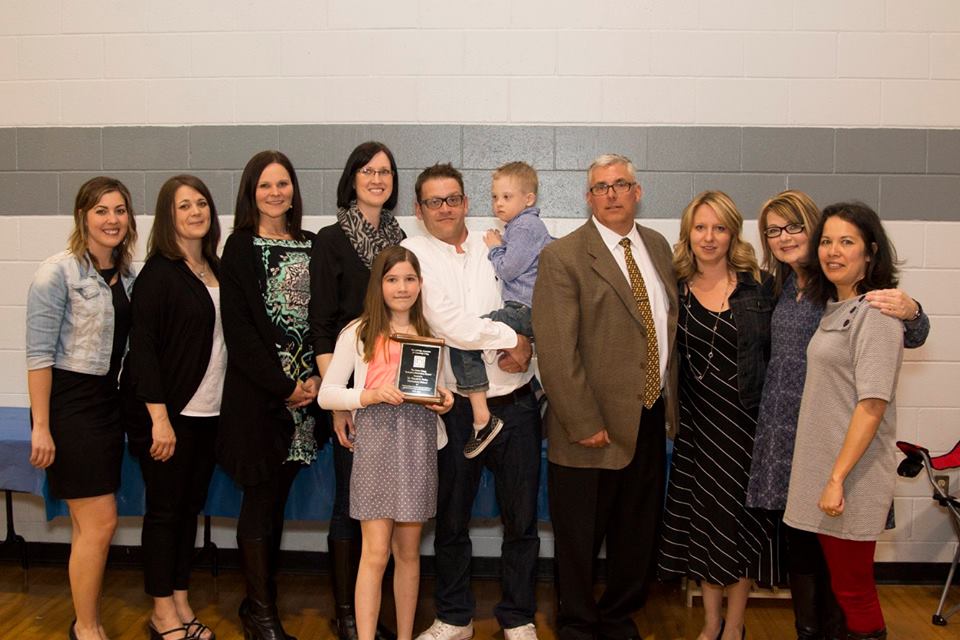
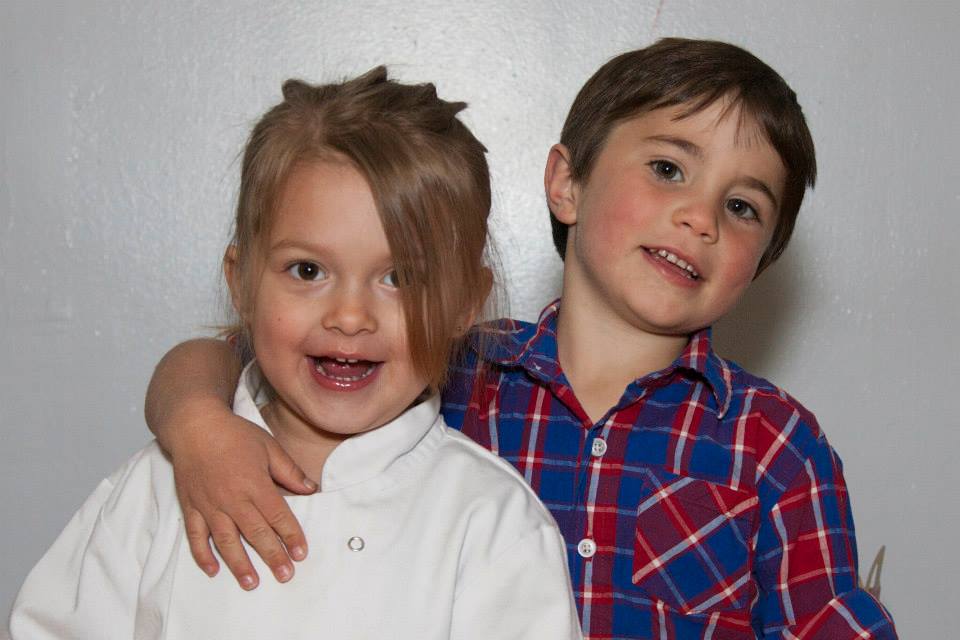
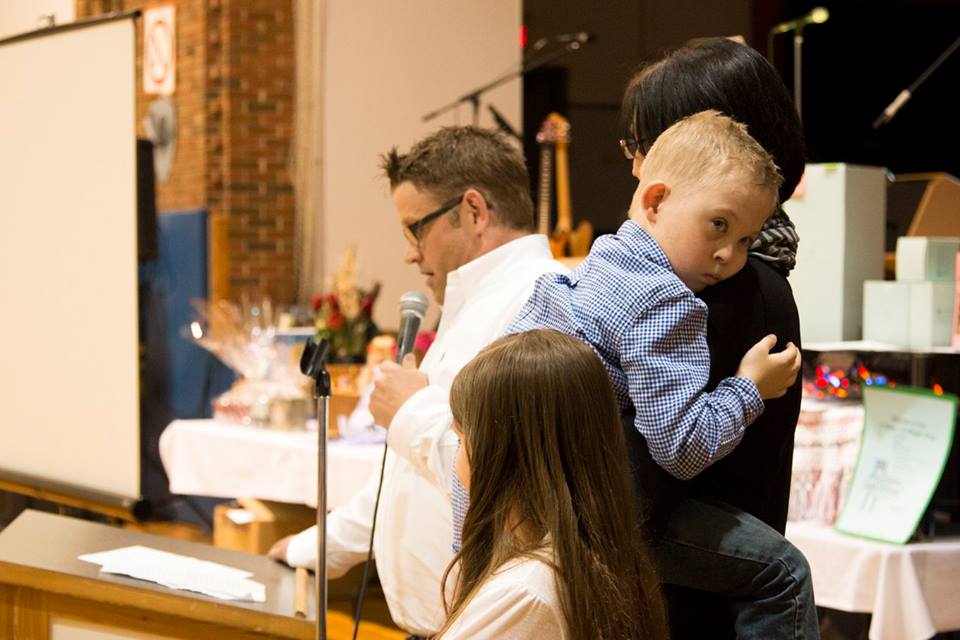
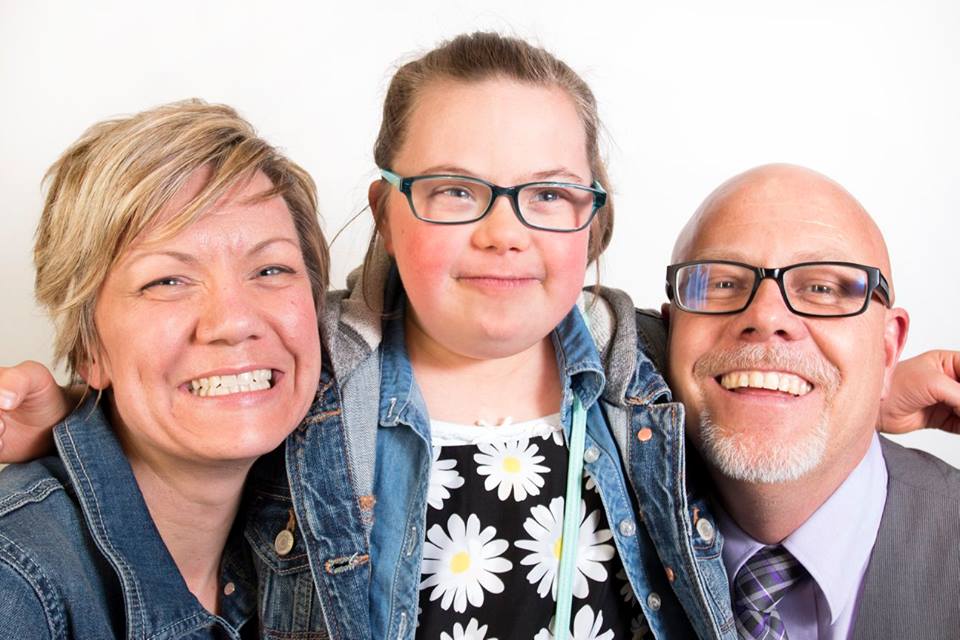
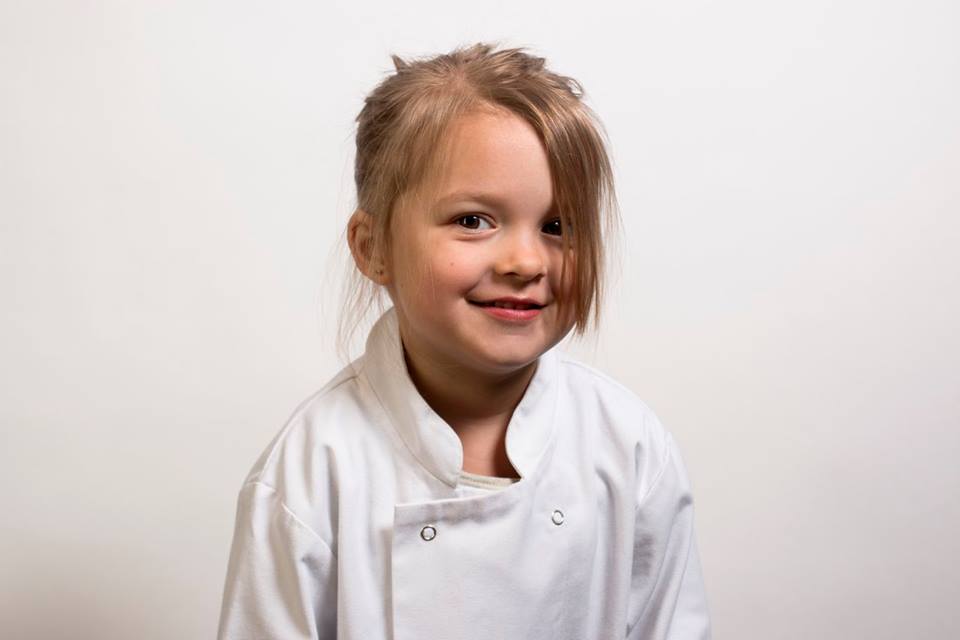
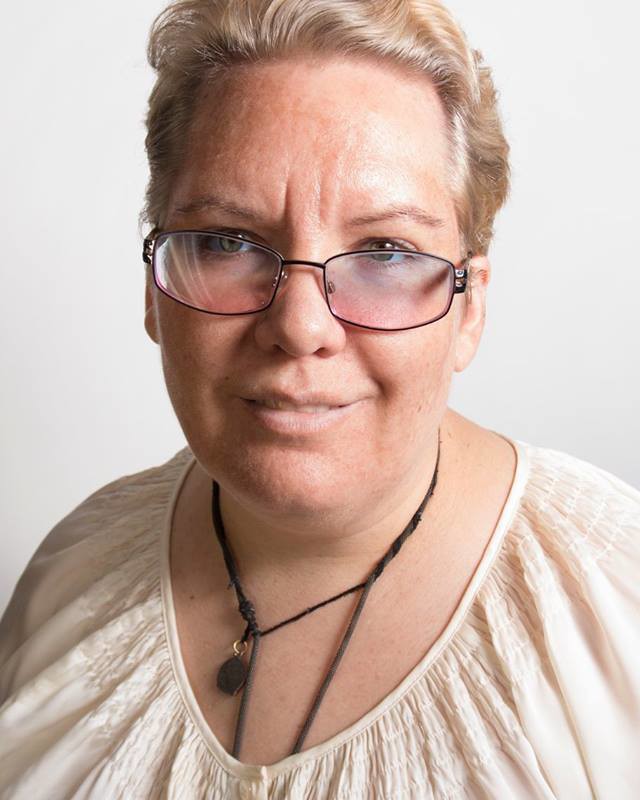
Hi, my name is Khristina Fowler. I live in Lethbridge with my husband, Dean. I have two daughters, Payton who is 6 years old and has Autism and a chromosome disorder called IDIC-15 and our youngest Brooklyn who is 5 years old.
We were living in Red Deer when we received the exciting news that we were going to have our first child. I was working as a teacher’s aid at a local school.
Our adventure began at 24 weeks gestation when we found out that our baby only had one functioning kidney. This was a scary time but we were well cared for and they suggested that some tests should follow when she was born. When this time came the tests came back okay but they found a new problem. We were told that Payton had undeveloped hip sockets and needed to be put in a brace for 5 months. It was then no surprise to anyone that she was a little delayed, but what was a surprise were some odd behaviours that we noticed between 6 – 12 months.


Being a new mother with no experience except for the 5 years working with special needs children I started to see similarities to some of the autistic children I worked with. She wouldn’t respond to her name, would sit for hours flipping pages in books, was very sensitive to certain noises, and the list went on.
We finally obtained a diagnosis of Autism when she was 2 ½ and by then we has already done much reading on the subject and what treatments were available. We had decides that IBI [1]would be the assistance to our daughter. We believed that as parents, you need to stay educated and current so we continually read (keeping and open Mind).
We also, like a lot of families, tried B6/magnesium, a dairy free diet, some different vitamins, and also used some sensory for sleep problems and rewards. We knew that they were all unproven treatments but respected the families’ testimonies that were given. In the end we know that the only one true help would be through the use of IBI.
We got very lucky that the Developmental Pediatrician at the children’s hospital that we had also felt the same as we did. We went into her office thinking that we would need to fight to her recommendation of the IBI program as many people in the Red Deer region had implied. It was just the opposite. She was very supportive and brought the program up before we even had a chance to ask for referral forms. We felt great that she understood what our family decision was and was willing to work with us.
The other advice that we received from her that has always stuck with us was that we need to get Payton a functional form of communication. It doesn’t matter what it is but she needs to have a way to express herself or you will see behaviours. Payton is still non-verbal but can use PECS (Picture Exchange Communication System) and her CHAT PCH very well. She also has learned her alphabet, both upper and lowercase and can match the sounds the letters make to the letters. As well, she already know her colours and shapes and she understands what you are saying.
One of the problems we did run into at this time was that our doctor was in Calgary and we lived in Red Deer and she did not know how we could get the IBI services provided in Red Deer.
We had many roadblocks in getting services for our daughter, ranging from a lack of service providers, a lack of funding, waiting to get the provider out to train the staff, training our own staff, and lack of families in the IBI program that would provide support. At that time only 2 families in that region were engaged in the IBI programs.
I often wonder if persons that work in the system understand the resolve that many families will show in order to do the right thing for their children. Our family was very committed to giving Payton the opportunities she needed. So when we couldn’t get what we perceived are being essential for our daughter to have the most opportunities in life we decided to move to where she could get it. We moved away from our friends, the house we had just moved into less than a year before, and my husband’s position at work. We did this without hesitation. It was clear to us that Lethbridge had a far superior attitude and support system for our daughter and our situation.
Red Deer and Lethbridge are about the same size city and yet are like night and day in many aspects. In Lethbridge we had more choices of service providers of IBI. We were listened to and treated as if our family concerns and needs were important. They looked at our individual family needs and worked with us to address solutions. From our perspective, Lethbridge service providers have started with the needs of the family rather than the cost of the service. This isn’t to say that costs aren’t considered or important, what it means is that it is the needs of the child and the family that need to be the primary focus. Only then can resources be properly targeted and solutions addressed.
In the small centers we don’t have a lot of choices of service providers but we do have a the benefits of having more of the personal touches. People know you, and they come out to your house at least once a year to see your child and family.
After our move to Lethbridge we changed to a different service provider of IBI from the one we accessed in Red Deer. When we were in Red Deer we had to do the hiring, training, and had to oversee the program with monthly assistance from Calgary.
As a new family we were still dealing with the move, two small children, the new diagnosis and overload of information, and all of Payton’s little quirks. We felt it would be easier to have a service provider in town that could deal with staffing (we still had a full say in who was working with our child), that staff was already trained, and the program was supervised locally so if there were problems it could be addressed right ways instead of waiting.
Fortunately we were able to maintain consistency between the programs during out move. Not the style of how they are implemented but in what they focus on with Payton. We accomplished this by ensuring that we were educated about IBI and the goals that we were trying to achieve. To us this is one of the keys to success. The family needs to be the central decision maker. All of our professionals are simply advisors. They need to respect and understand that the family bears the ultimate responsibility for decisions
I am not saying that we never had any problems in Lethbridge, because when there are that many people in and out of your house there is always bound to be something, but I can say that we have been very lucky.
Early on when we started IBI in Red Deer my husband my husband Dean and I had a strategy for dealing with problems that may arise in our situation, because I am at home with the therapist/aides all day and it makes it much more difficult if things aren’t getting done or if there is a conflict because they are like family. So I handle the little things that arise and if there are bigger things than my husband is the one who keeps them on track to the original goals and accountability to the program. We kind of do a good cop/bad cop thing. This has worked well for us. We also use this method to reward our accomplishments of our staff.
We like to get our OT, PT, SLP[2] to do assessments on a yearly basis so that we can see the areas Payton needs to improve in. To my dismay this has been a difficult thing to get done. I hear comments like – it won’t help you get funding, we don’t have good assessment tools and, or she would show way below her age level. In the end I got them to do the same tests as last year.
We already know that she is much behind her peers. We are looking to see if she has made improvements in the year, some skills are more noticeable than others. We want to ensure that we are focusing our efforts where they are needed. As a parent that is with a child day in and day out sometimes you don’t’ notice the changes until you get to sit down and just review it with someone. This has been important thing for our family so that we can celebrate Payton’s successes not just as a family, but as a team.
Over the past few years we learned it is great to get a lot of advise and directions form different people in your life but you have to stay true to your dream for your child and family. In the end we will be the ones that have to live with our decision, not the person giving the advice.
When we moved to Lethbridge we decided to get involved in our community, to be advocates and support other families in any way we could. There was no Autism society in Lethbridge and over the past two years it has established the Chinook Autism Society. I am the president on the LACL and sit on the SACYHN (Southern Alberta Child and Youth Health Network) steering and parent committee and my husband is on the AACL (Alberta Association for Community Living).
As you can see sometimes experiences in family life that can create a monster early on can eventually make them stronger and this is exactly what it did for ours.
[1] IBI (Intensive Behavioural Intervention) – Is an intensive behavioural program that follows a set of analytical procedure to teach a skill by repetition of practice with the use of positive reinforcement far beyond what would be required in a child without autism.
[2] Occupation Therapist, Physio-therapist, Speech & Language Pathologist
|