Bill Blair
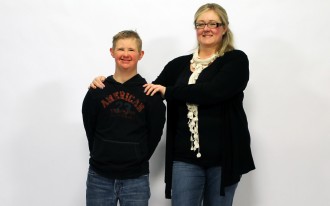
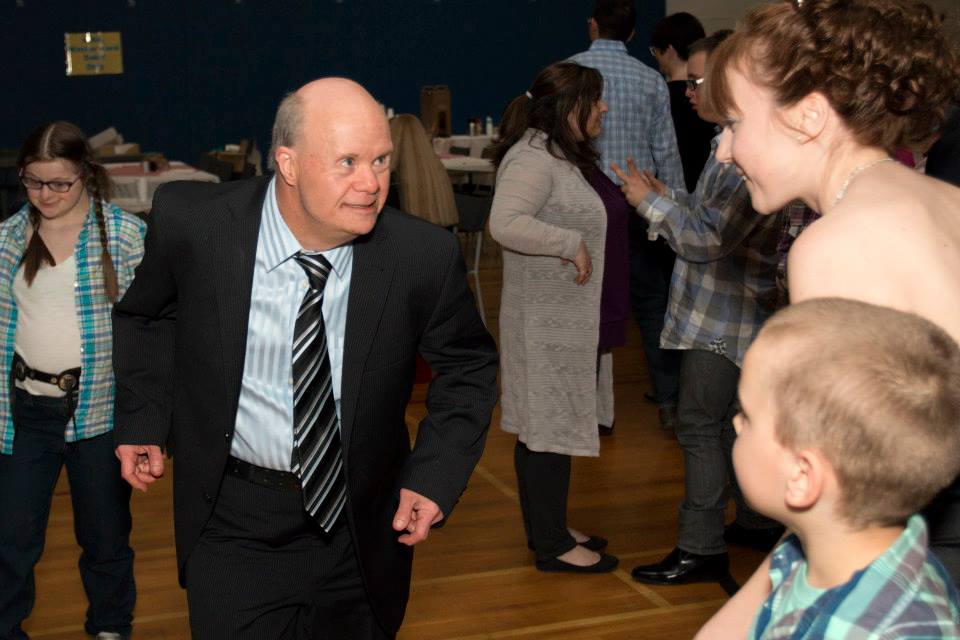
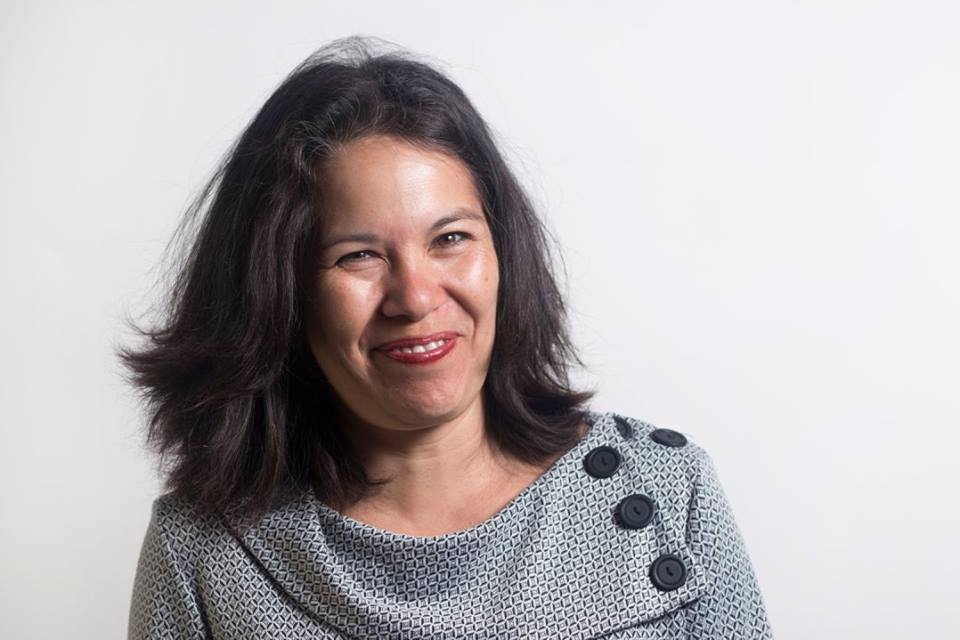
I am Lillian (Blair) Westling. In the early ‘70s, I worked at what was known at the time as the Manitoba School for Retardates. Kenneth Robert William was born January 7, 1972 and was such a beautiful baby boy with all the normal parts.


Bill’s father and I loved him from the start. When Bill was six months old we were told that he had Down syndrome (the doctor’s words) “with a slim chance of going far”. At that time we were given a choice of keeping Bill or putting him in the institution. Because I worked there it made my decision very easy.
I had seen what the children diagnosed with Down syndrome had to deal with being raised in an institution, so we decided to keep our first born and have faith in our ability to be loving parents, disability or not. Not knowing anything about children and having no expectations of what he should do or not do helped us to allow Bill to grow at his own pace.
Bill did not start walking until he was two years old and by that time I was pregnant with a set of twin sisters for Bill. A neighbour boy refused to play with Bill because he could not walk. Bill got up and started to attempt to walk. The challenge to Bill motivated him and within a month Bill was walking so he could play with his friend.
Encouragement also helped him especially when he felt that he was needed as he found that he was an important helper after the twins came. Bill helped to look after his little sisters. Their birth encouraged him to be very helpful and independent. He loved his sisters and created less of a problem as the three of them were growing. Lana and Lila would watch their big brother and learned how to tie their shoes, how to ride a bike, and how to be independent. With the birth of his brother Sean, Bill learned how to fight for what was his.
However, not everyone felt the way I did (that Bill would be an important part of society). When the twins were born in 1974, a doctor in Red Deer told me that, “Now that I had two normal twins, I would not need Bill”. My question was ”WHY?”
At the same time, we knew that this doctor told another couple that they should not keep their brand new baby as he had also been born with Down syndrome. They were told they did not need to see their son. In the end, that child went home with his parents. Bill was indirectly instrumental in the home raising of another young man and the parents never regretted it.
As Bill got older, he achieved so much by trying to be older than his siblings. He used his skill at tying his shoes to teach his sisters and brother. Using coloured dishes, one for each child, Bill learned how to count and taught his siblings how to do the same. The children played school with me and Bill would be the teacher of math but his siblings would teach him reading.
Bill started bowling at age 7 in a regular youth bowling youth bowling group. He enjoyed it so much that he worked on teaching the sport to his three siblings. They, in turn, achieved better skills than Bill when they were younger but Bill has achieved more within the sport of five-pin bowling than any of his siblings. This is the story of his achievements. Bill was a part of a regular youth bowling group for twelve years, part of a Special Olympics for seventeen years, part of a ten-pin group for thirteen years and part of the regular five-pin leagues for fourteen years so far. In YBC Bill did not win any awards but he did within environment that has been his ticket to self confidence.
Bill has challenged the High Average Bowlers in Lethbridge and won their respect as well as the title of LA City Handicapped Male Single. He has succeeded in placing in the money a number of times which means he was one of the top five bowlers. Bill has competed in ten different provincial tournaments that he had to earn the right to by winning against several other bowlers.
Bill has had to learn to be self-directed and responsible for his own behaviour. He has traveled Red Deer, Edmonton, Cold Lake, Medicine Hat and Calgary sometimes with me as support but often by himself without any support worker. Bill has earned recognition all over Alberta as a competitive bowler, not a person with special needs. Bill has improved a little more each year in his ability to overcome the obstacles that challenged his within bowling.
In 1999, Bill took a level one bowling coach course and became a qualified coach by 2001. He now works at coaching young children how to bowl. He is liked and respected by them. He provides the example of what they can achieve if they are serious about the sport. With this achievement, Bill became the Athlete of The Week in Alberta in 2002. He was on TV and presented with a plaque which was one of his most prized possessions along his special vest that he was given.
Bill participates in both a regular league and an intergrated league. He was invited to join the elite league and knows that he is welcomed by the bowlers because he knows the rules of the game. Bill is now working at the bowling alley as a pinchaser. Bill may not talk like you I but he has overcome that that to the point that he is just a member of the bowling family within Lethbridge. The biggest sorrow for Bill was the loss of a National Tournament. Bill earned the right to go to Nationals within Special O, but because they had concerns about not being able to control him they took it away. This is an example that demonstrates the challenges a gentleman who works so hard to be accepted by the general public can still face within the disabled community.
As his family, we share Bill’s struggles and achievements. Bill is loved and supported by an extensive network of grandparents, aunts, uncles, cousins, his siblings and step-siblings and has developed a special relationship with his step-dad Ron Westling.
This part of the story is the challenge to parents. Bill has achieved respect by his determination to challenge the limitations set on him but not within the environment of the community set up to help people with special needs. Sometimes, the artificial rules for challenged people are tougher than what a normal average person would be expected to do. This holds them back from reaching a dream of normality. This is the lesson of letting go, one which was really hard for me as a parent but one which has helped Bill to grow into a valued and respected member of the community on his own merits.
My pride is that Bill is a self achieved coach, a high average respected bowler and a happy well rounded individual. That is not to say that he does everything right, but who does?
Bill still needs guidance and patience but he tries so hard to do the right things that he gets it right more often than not. I hope that his story will help other parents to believe in the possibilities rather than the sorrows because the positives can outweigh the negatives with the raising of their gift from God.
|